
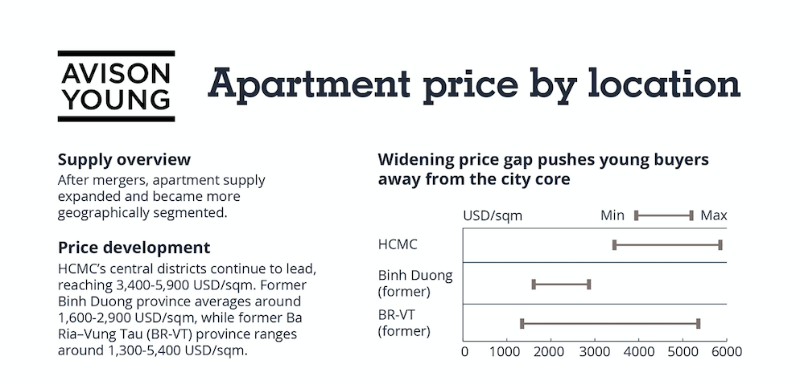
Vietnam’s younger generations, particularly Millennials and Gen Z, are increasingly rethinking the traditional goal of homeownership. According to a report by Avison Young Vietnam, housing demand remains strong, but young buyers are responding differently to rising property prices, affordability challenges, and changing lifestyle priorities.
One major factor is the widening gap between housing prices and income growth. Over the past five years, apartment prices in Vietnam’s major cities have risen significantly, while wages have grown at a much slower pace. At the same time, affordable housing supply has declined, making it harder for young people to purchase homes in urban centers. Rising living costs and inflation have further reduced their ability to save for a down payment.
As a result, homeownership is no longer viewed as an urgent milestone by many young Vietnamese. Surveys indicate that self-development, career advancement, savings, and investment are often prioritized ahead of buying a home. Instead of rushing into ownership, many now see it as a long-term objective that must be balanced with broader financial and lifestyle goals.
The report identifies three main groups among young urban consumers. The first consists of cautious savers who still aspire to own a home but are delaying purchases until market conditions improve. The second group actively seeks opportunities in suburban and satellite cities, accepting higher financial risk in exchange for more affordable housing options. The third group chooses long-term renting as a deliberate lifestyle and financial strategy, valuing flexibility and reduced mortgage burdens over ownership.
These changing attitudes are reshaping Vietnam’s housing market. Housing demand remains structurally strong but is becoming more selective and practical. As speculative activities weaken, affordable housing in suburban areas and professionally managed rental housing are expected to become increasingly important segments of the country’s future urban development.